AntiMicrobial Resistence & One Health Appraoch by Krishna Sir
Context
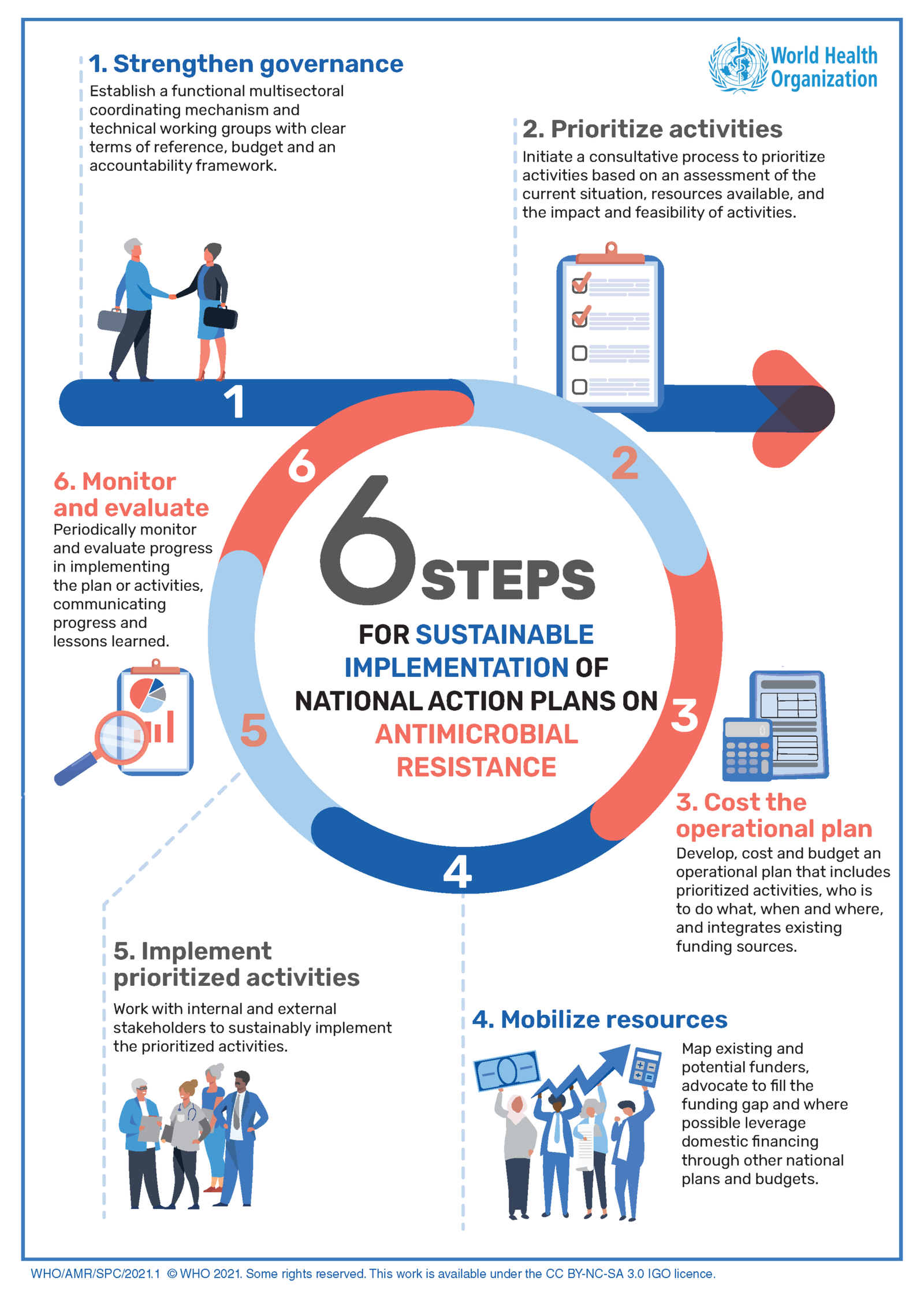
The 79th World Health Assembly, held in Geneva from May 18 to 23, 2026, adopted the updated Global Action Plan on Antimicrobial Resistance (AMR) for 2026-2036. The move reflects growing global concern over drug-resistant infections that are weakening the effectiveness of medicines across human, animal and environmental health systems.
Concept
AMR occurs when bacteria, viruses, fungi and parasites change in ways that make medicines ineffective. The updated plan adopts a One Health approach, linking human health with animal health, plant health and environmental conditions. It prioritises surveillance, infection prevention, sanitation, diagnostics, vaccines, stewardship and fair access to antimicrobials.
Analysis
The decision is significant because AMR is now a major threat to modern healthcare and food systems. WHO surveillance data show that one in six common bacterial infections reported in 2023 was resistant to antibiotic treatment. Experts warn that, without urgent action, AMR could lead to millions of deaths by 2050, with developing countries likely to suffer the most.
Positives
The updated roadmap strengthens global cooperation and gives a long-term framework for action. It places emphasis on financing, laboratory capacity, regulatory systems, and affordable access to medicines. It also recognises the importance of prevention through sanitation, hygiene, vaccines and better diagnostics.
Negatives
Implementation remains the biggest challenge. Many low- and middle-income countries still lack strong surveillance systems, adequate laboratory networks and sustained funding. Overuse of antibiotics in humans, livestock and agriculture continues, while access to effective drugs remains unequal.
Way Forward
Countries must translate the plan into national action with measurable targets, stronger infection control, and stricter antimicrobial stewardship. Investment in research, diagnostics, wastewater control and public awareness is essential. Global institutions should support poorer nations through finance, technology transfer and capacity building. A coordinated One Health strategy is now critical to protect future generations.
Tag:APPSC, APPSC 2026, APPSC Mains, APPSC Prelims, APPSCCE, APPSCCE 2026, APPSCCE coaching in Itanagar, appscce mains, APPSCCE Prelims, Best IAS Institute in Arunachal Pradesh, Best IAS Institute in Itanagar, Best Institute for APPSC, BMCC IAS, civil services coaching Naharlagun, Geography optional Arunachal, IAS coaching in Itanagar, UPSC coaching in Arunachal Pradesh
You may also like
9th May 2026 – Current Affairs
Current Affairs 7th May 2026